
This is how to make homemade cottage cheese. All you need is milk, a splash of vinegar and a little patience, and you’ll have soft, creamy curds ready for toast, salads or baking. Easy homemade cottage cheese recipe requires no rennet and comes together in under an hour.

Whether you want a higher-protein option for breakfast or you simply love knowing exactly what’s in your food, this method is simple, reliable and surprisingly economical.
I'm so over cottage cheese being sold out at the supermarket so knowing how to make cottage cheese at home is a game changer. It has a way fresher taste, plus there's no strange ingredients.
If you're after something dairy free and similar, I think you'd love my Vegan Cream Cheese made from cashews. It's one of my favourite spreads! And if you're looking for some toast inspo, this homemade cottage cheese would be perfect on toast with these Miso Glazed Mushrooms.
Jump to:
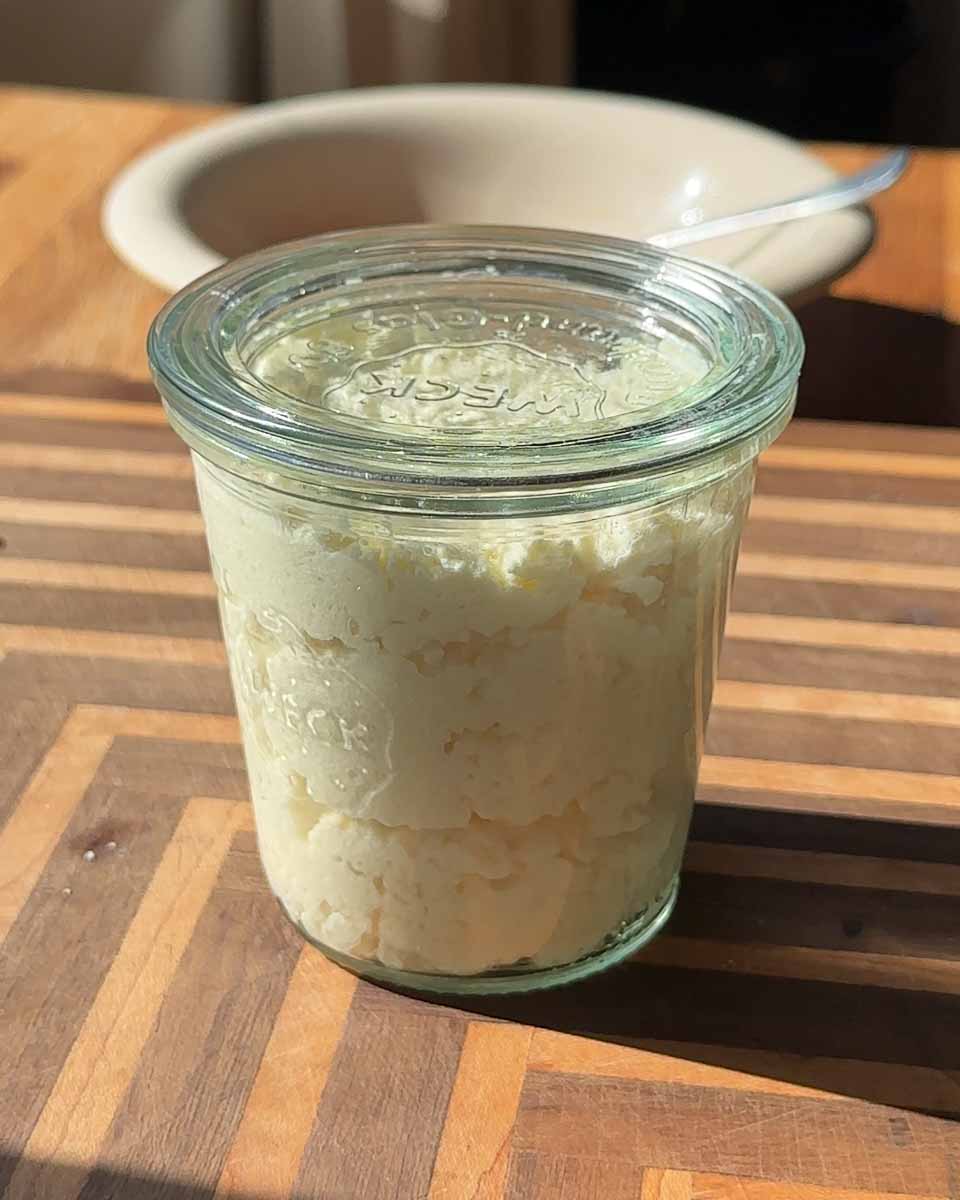
Why You’ll Love knowing how to make homemade cottage cheese
1. It only uses simple ingredients.
The recipe doesn't require cultures, rennet or any specialty equipment. Just milk, vinegar and a sieve are enough to create beautiful, fluffy curds.
2. The recipe is customisable.
You can drain it lightly for a creamy texture or longer for firmer curds. Add cream for richness or keep it plain for a leaner, high-protein option.
3. Homemade is fresher than store bought.
Homemade cottage cheese has a clean, milky flavour and a soft texture that’s hard to find in packaged versions. It’s especially good on warm sourdough with olive oil and cracked pepper.
Ingredients
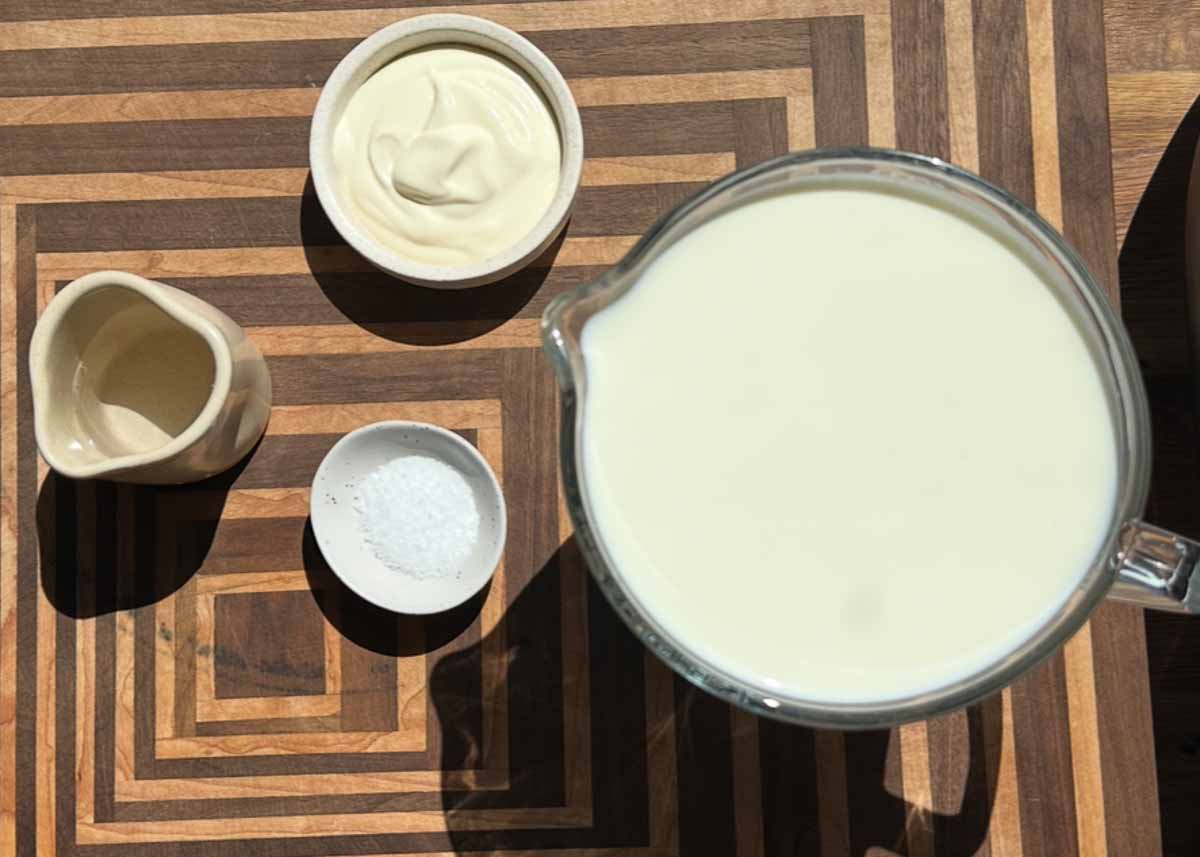
Full cream milk: Provides the protein and fat needed to form soft, rich curds with great flavour.
White vinegar: Acts as the acid that separates the milk into curds and whey.
Salt: Enhances flavour and balances the natural tanginess.
Cream (optional): Stirred through at the end for a creamier, more traditional cottage cheese texture.
See recipe card for quantities.
Instructions
Here are the basic steps for how to make homemade cottage cheese, for the full ingredients and method, keep scrolling!
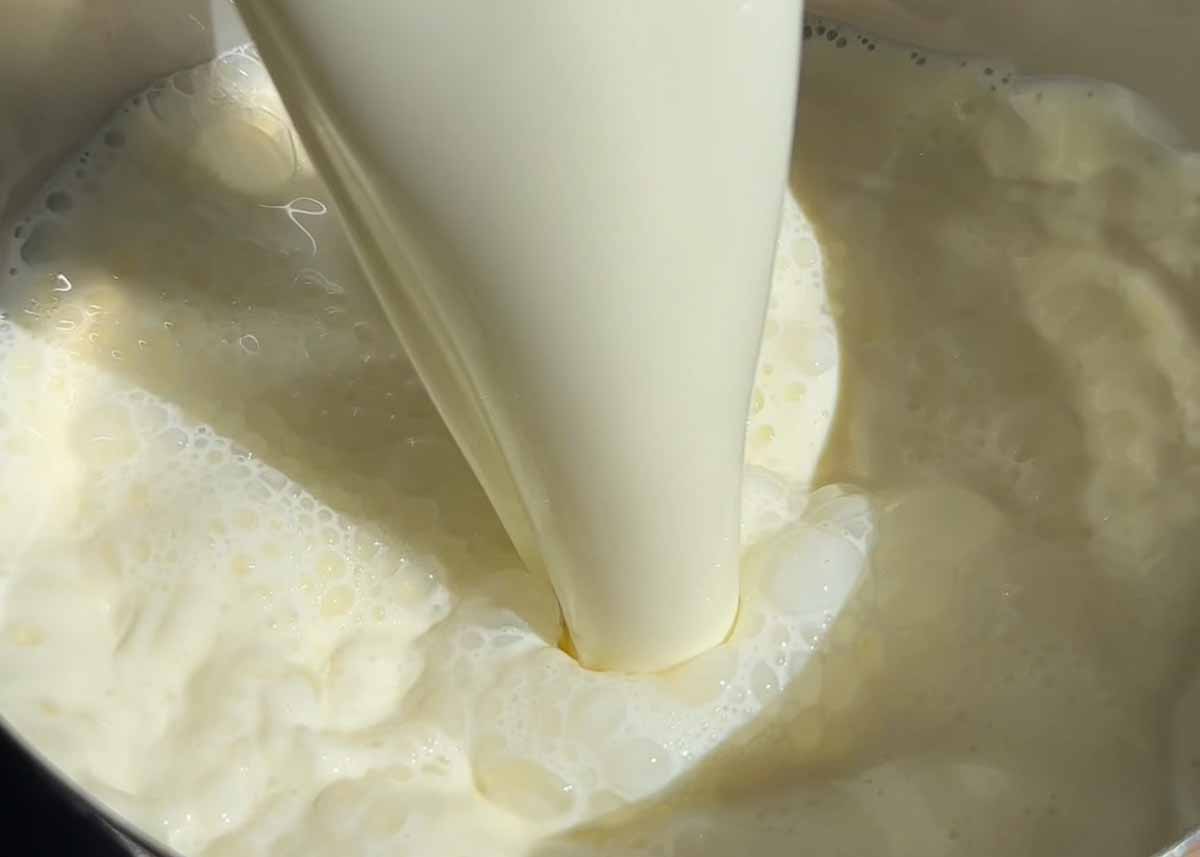
Step 1: Add full cream milk to a cold saucepan
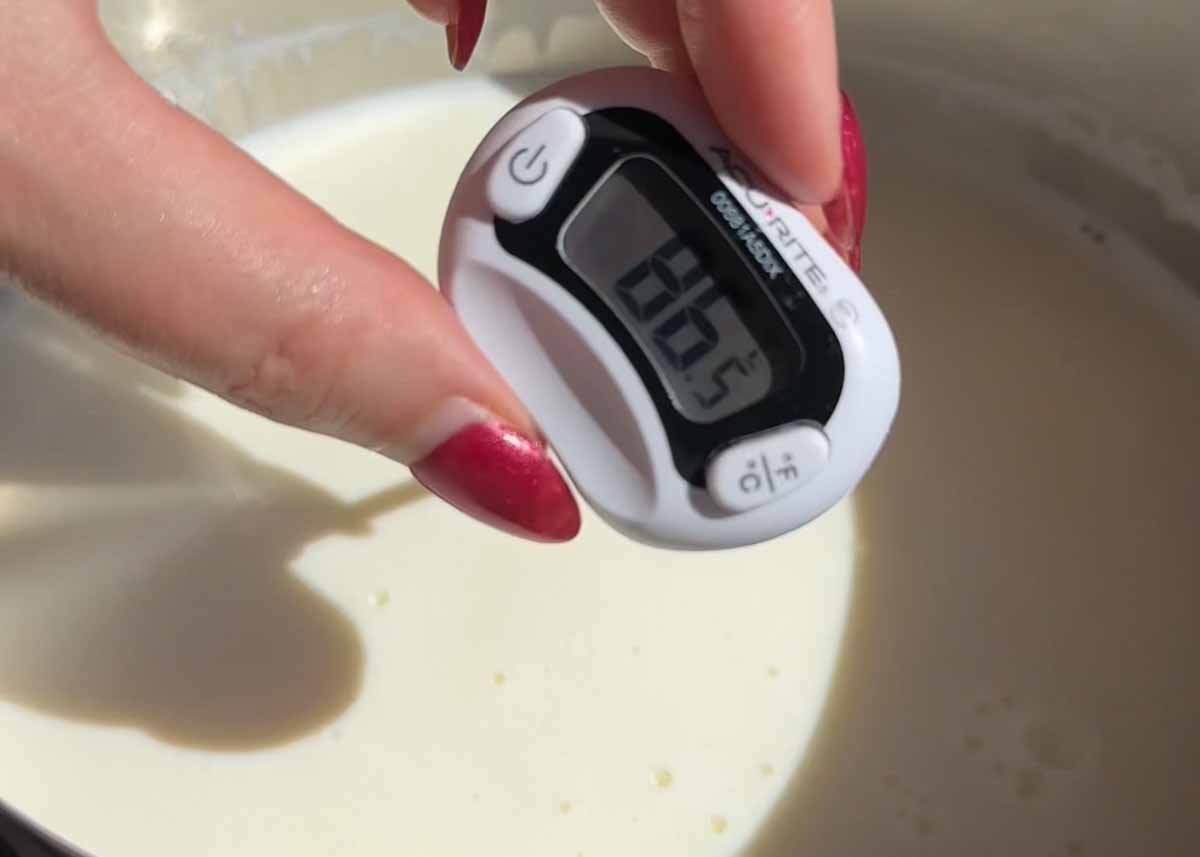
Step 2: Slowly bring the temperature up to 85C - 95C
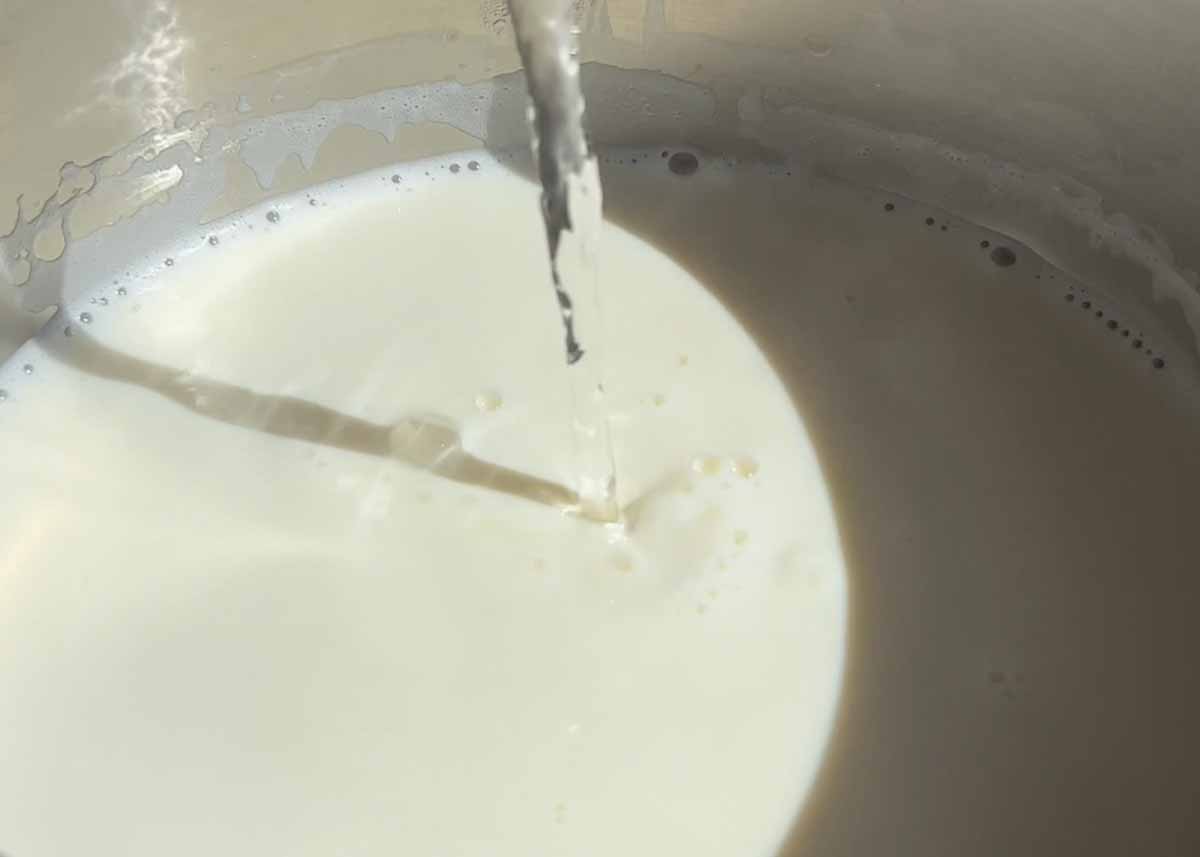
Step 3: Add the vinegar and do 1 or 2 slow stirs (do not mix vigorously). Let sit for about 10 minutes
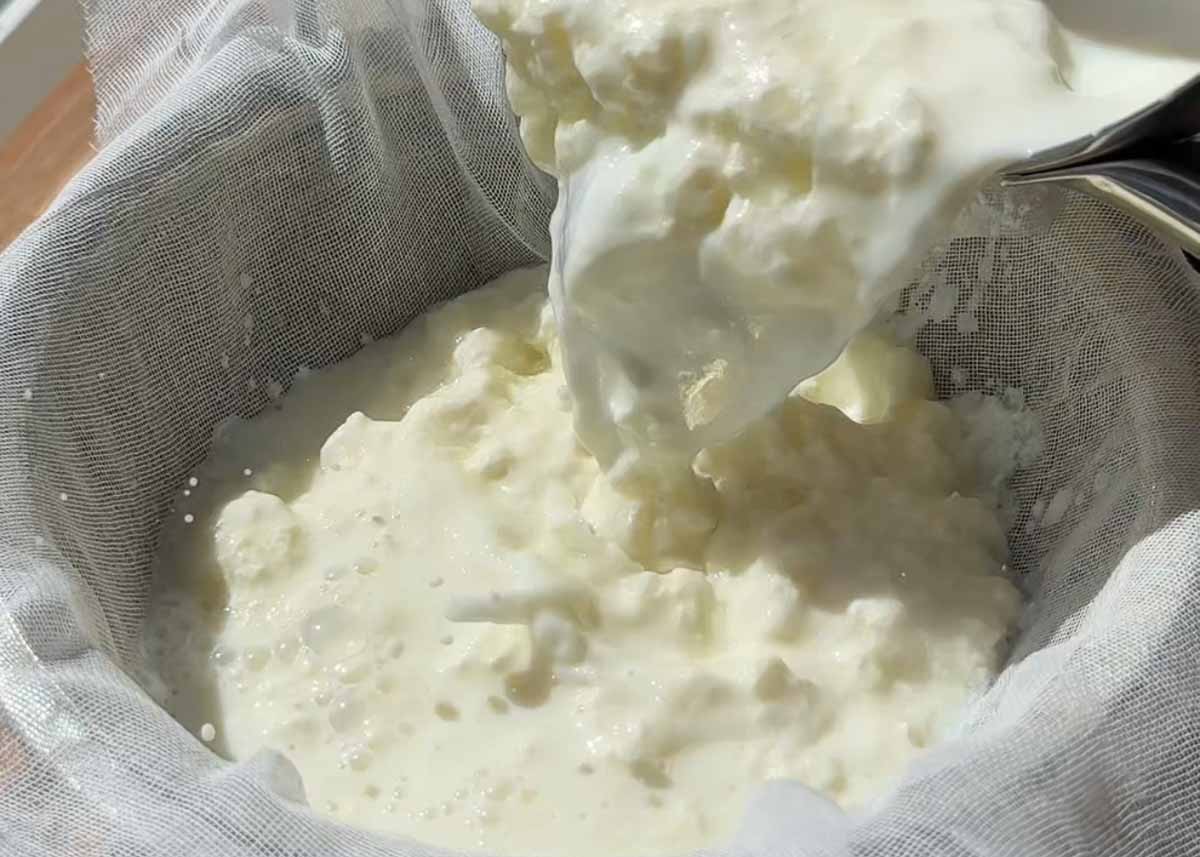
Step 4: Strain into a cheesecloth

Step 5: Run gently under cold water
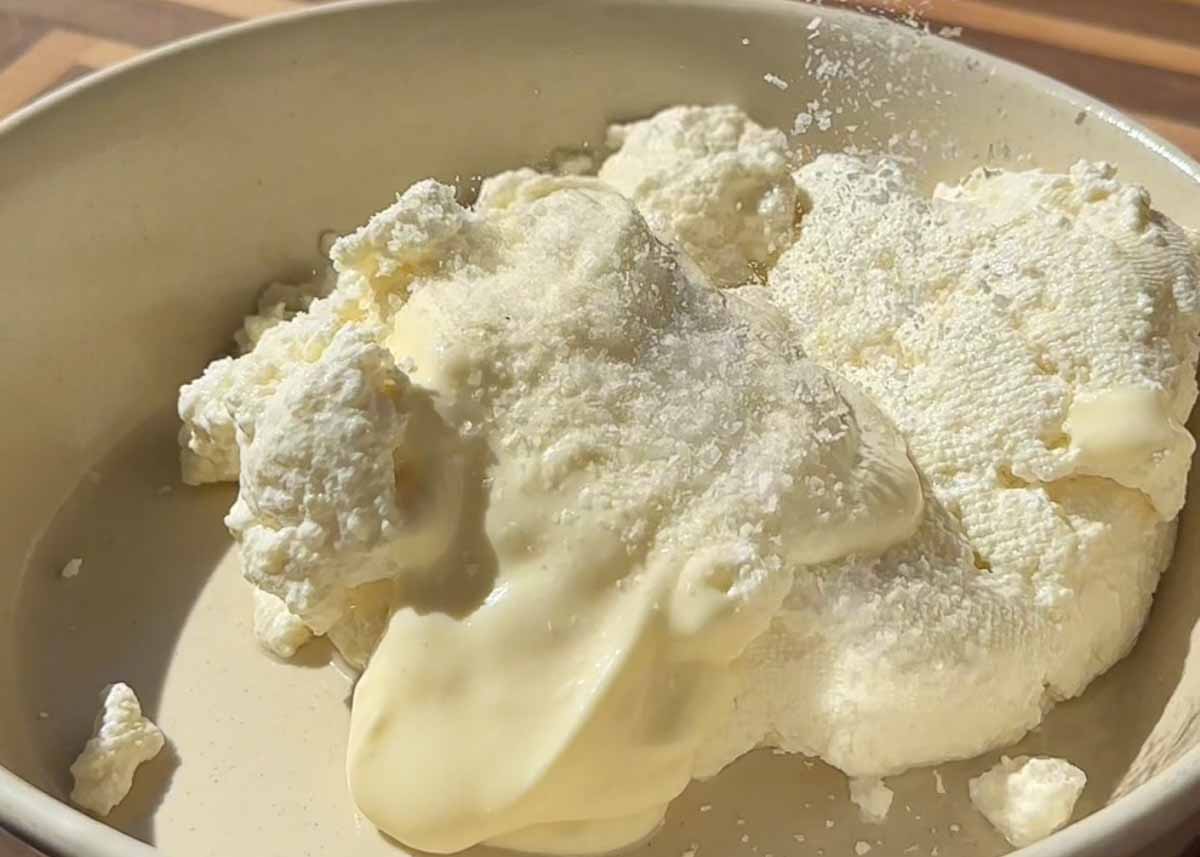
Step 6: Mix through salt and cream to taste and preference
Hint: you can buy cheesecloth here
Substitutions
• Lemon juice instead of white vinegar for a slightly softer citrus note.
• Reduced-fat milk for a lighter, lower-fat version (the texture will be slightly less rich).
• Greek yoghurt stirred through instead of cream for added protein and tang.

Variations
Herb Cottage Cheese
Fold through finely chopped chives, parsley or dill for a savoury spread.
Whipped Cottage Cheese
Blend briefly until smooth for a ricotta-style texture perfect for toast or dips.
Sweet Cottage Cheese
Drizzle with honey and add cinnamon or vanilla for a breakfast option.
Storage
Store homemade cottage cheese in an airtight container in the refrigerator for up to 4 days. If it firms up, stir through a small splash of milk or cream before serving to loosen.
Top Tip
Don’t boil the milk.
If the milk boils aggressively, the curds can become rubbery. Gently heating to just below boiling gives you tender, fluffy curds.
FAQ
Is homemade cottage cheese the same as ricotta? Not exactly. Traditional ricotta is made from whey, whereas this recipe curdles whole milk so, the texture is slightly more defined and curdy than ricotta.
Can I use low-fat milk to make cottage cheese? Yes. It will still curdle and form curds, but the final cottage cheese will be slightly lighter and less rich.
Why didn’t my milk separate properly? The milk may not have been hot enough. Return it gently to the heat and add a small additional splash of vinegar.
Related
Looking for other recipes like this? Try these:




How to Make Homemade Cottage Cheese (No Rennet Needed)
Ingredients
- 1 litre full cream milk
- 2 tablespoons white vinegar
- ½ teaspoon sea salt kosher or fine sea salt
- 2 tablespoons cream optional
Instructions
- Pour the milk into a heavy-based saucepan and place over medium heat. Warm gently, stirring occasionally to prevent it catching on the bottom. Heat to 85 - 90 degrees Celsius or until steaming with small bubbles forming around the edges, but do not let it boil.
- Remove the saucepan from the heat and stir in 2 tablespoons of vinegar. Gently stir once or twice and allow the milk to sit (don't stir too vigorously). Within a minute it should separate into white curds and pale yellow whey. If it has not fully separated, add a little more vinegar and leave for another minute.
- Cover and let it rest undisturbed for 10–15 minutes so the curds fully set.
- Line a sieve with a clean tea towel or cheesecloth and place it over a bowl. Carefully pour the curds and whey into the sieve and allow to drain for 5–10 minutes for soft cottage cheese, or longer for firmer curds.
- For a classic cottage cheese texture, gently rinse the curds under cold water while lightly breaking them apart. Drain again briefly.
- Transfer to a bowl and stir through salt and cream, if using. Adjust seasoning to taste. The finished cottage cheese should be soft, lightly creamy and slightly tangy.


artih
I was also sick of cottage cheese being out of stock so I tried this recipe. My god it was delicious and so, so easy to make. Will never buy cottage cheese again. xo